How Paul Reubens Built His Net Worth and Shaped Pop Culture
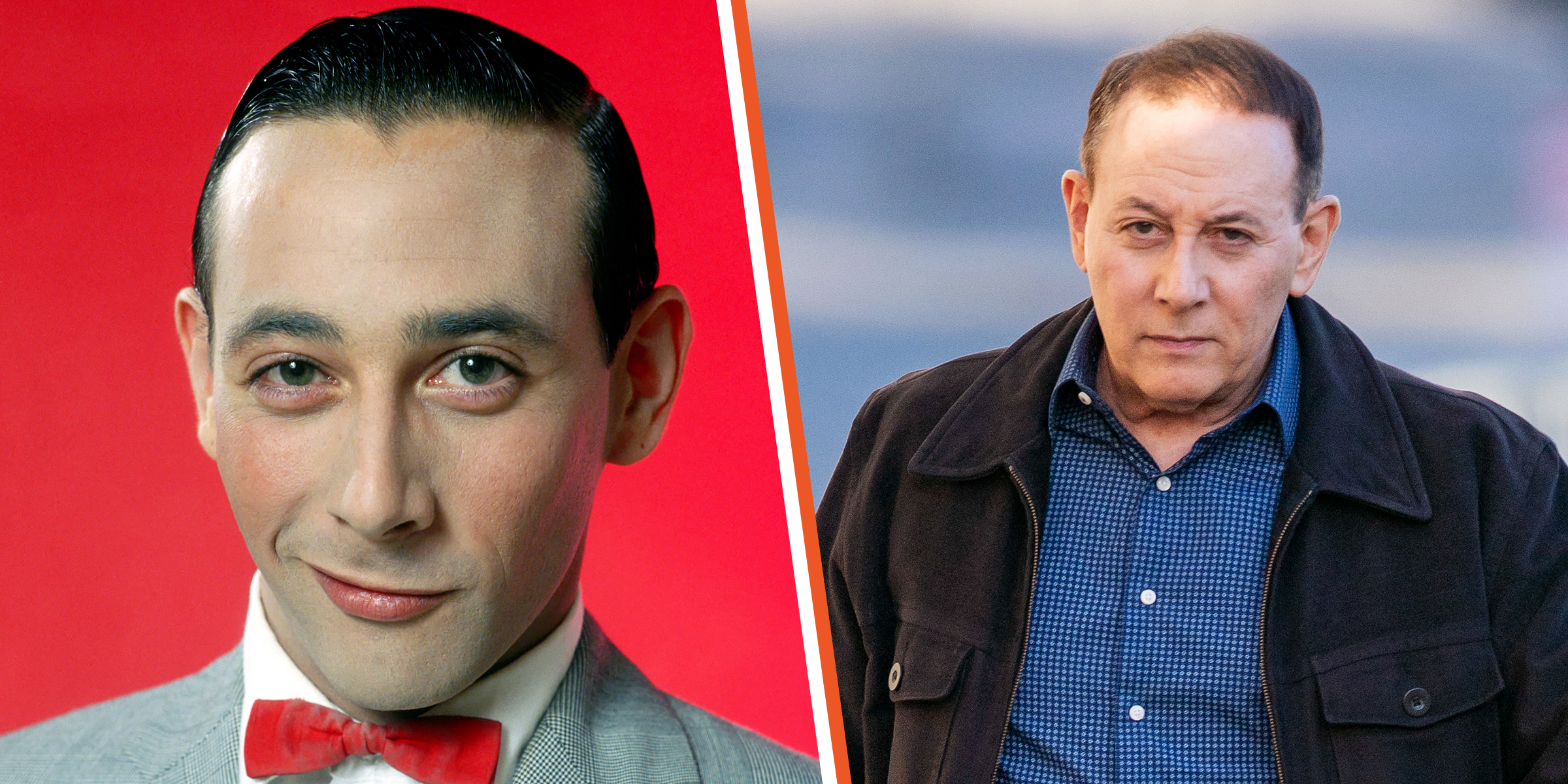
Paul Reubens was one of Hollywood’s most imaginative and mysterious performers. Known worldwide for his eccentric creation Pee-wee Herman, Reubens left an imprint that blended childlike innocence with clever satire. His story is not just about fame—it’s about creativity, struggle, and a life built around originality. In this article, we explore how Paul Reubens built his net worth, the ups and downs of his career, and how he became a pop culture icon.
Early Life and Family Roots
Paul Reubens was born Paul Rubenfeld on August 27, 1952, in Peekskill, New York. His parents, Judy and Milton Rubenfeld, raised him alongside his siblings in a warm, middle-class household. His father had served as a pilot during World War II and later became a salesman, while his mother worked as a teacher.
When Paul was nine, the family moved to Sarasota, Florida, a city famous for its ties to the Ringling Bros. Circus. That colorful environment, filled with performers and eccentricity, shaped his imagination and comedic instincts. He had two younger siblings—his sister Abby Rubenfeld, a lawyer and activist, and a brother named Luke. The Rubenfeld household valued creativity, humor, and individuality—traits Paul carried throughout his life.
Education and Artistic Beginnings
After finishing high school, Reubens attended Boston University before transferring to California Institute of the Arts (CalArts). At CalArts, he immersed himself in acting and theater, where his quirky sense of humor began to evolve.
It was in Los Angeles that he found his true artistic home—The Groundlings, an improvisational comedy troupe that launched many future stars. His time with The Groundlings helped him refine timing, physical comedy, and character work. Out of this experimental environment, a unique character started to take shape: Pee-wee Herman.
The Birth of Pee-wee Herman
The Pee-wee character began as an experiment—an overly enthusiastic man-child with a mischievous streak. Reubens developed Pee-wee’s mannerisms, voice, and signature gray suit during Groundlings performances in the late 1970s.
In 1981, he brought that character to life in The Pee-wee Herman Show, a live stage production that became a cult hit in Los Angeles. HBO later aired a special version, bringing Pee-wee into homes across America. The success of the stage show proved that audiences were fascinated by this strange but endearing character.
The performance opened doors for bigger projects—and soon, Hollywood came calling.
A Star on the Rise
Paul Reubens’ first major leap came with Pee-wee’s Big Adventure (1985), directed by Tim Burton. The film became a surprise box-office success, grossing over $40 million on a small budget. It established Pee-wee as a pop culture sensation and made Reubens a household name.
He followed up with Big Top Pee-wee in 1988 and then created the beloved children’s series Pee-wee’s Playhouse, which aired on CBS from 1986 to 1990. The show won 22 Emmy Awards and redefined children’s television with its inventive design, diverse cast, and clever humor that appealed to both kids and adults.
By the late 1980s, Pee-wee Herman was everywhere—on lunchboxes, toys, and TV screens. It was the peak of Paul Reubens’ career and the foundation of paul reubens net worth.
Building His Net Worth
At the height of his success, Reubens earned substantial income from his TV series, movie deals, live performances, and merchandise sales. According to Celebrity Net Worth, his estate was valued at around $5 million at the time of his death in 2023.
His financial growth came from multiple sources:
-
Television royalties and syndication from Pee-wee’s Playhouse.
-
Film earnings from Pee-wee’s Big Adventure, Big Top Pee-wee, and later Pee-wee’s Big Holiday (2016).
-
Voice acting and guest roles in films like Batman Returns, Mystery Men, and Blow.
-
Stage revivals and licensing deals for Pee-wee Herman’s character.
He also invested in real estate. In 1985, he purchased a mid-century Los Angeles home in the Los Feliz neighborhood for about $415,000. Nearly forty years later, that same home was listed for $5 million, showing his knack for long-term investment.
While Reubens never flaunted wealth, his careful management of earnings and intellectual property ensured he lived comfortably and independently.
Career Setbacks and Public Scrutiny
Paul Reubens’ career faced turbulence in the early 1990s. In 1991, he was arrested in Sarasota, Florida, for indecent exposure in an adult theater. The incident sparked a media frenzy that temporarily derailed his public image. The beloved Pee-wee Herman persona, known for innocence and humor, clashed with tabloid headlines.
After the scandal, Reubens stepped away from the public eye for several years. He appeared only in small guest roles and voice projects, choosing privacy over press. A second controversy in 2002 further tested his resilience, though he was eventually cleared of the most serious allegations.
Despite those challenges, his fans never forgot him. The nostalgia for Pee-wee Herman stayed alive, and Reubens gradually returned to entertainment with renewed perspective.
Return to Creativity
In the 2000s, Paul Reubens began a steady comeback. He reprised Pee-wee for appearances on The Tonight Show and Saturday Night Live, re-igniting the character’s charm for a new generation.
In 2010, he revived The Pee-wee Herman Show on Broadway, where it was met with standing ovations and glowing reviews. Critics praised him for preserving Pee-wee’s original magic while adding a modern touch.
His biggest return came with Pee-wee’s Big Holiday, a 2016 Netflix film produced by Judd Apatow. The movie introduced Pee-wee to younger audiences and proved that Reubens’ creative spark was still alive. These projects not only celebrated his legacy but also added to his overall net worth through royalties and renewed licensing deals.
Life Beyond the Spotlight
Away from the camera, Paul Reubens was known for being private and introspective. He never married and had no children. Instead, he focused on friendships, art, and creative projects.
He lived a quiet life in Los Angeles, surrounded by vintage art, classic films, and personal memorabilia from his career. Despite decades in show business, he avoided Hollywood excess. Friends and colleagues often described him as kind, intelligent, and deeply thoughtful.
He was also a perfectionist—meticulous about his image and the Pee-wee character. That discipline and attention to detail helped him maintain relevance over decades without compromising his vision.
A Cultural Legacy That Lasts
Pee-wee Herman was not just a TV character—he was a cultural force. Reubens’ creation influenced children’s television for decades. Shows like SpongeBob SquarePants, Blue’s Clues, and Yo Gabba Gabba! drew inspiration from Pee-wee’s colorful chaos and surreal humor.
The design of Pee-wee’s Playhouse—bright, diverse, and unpredictable—changed how children’s media looked and felt. Reubens championed inclusivity long before it was common in kids’ TV, featuring characters of different races, genders, and backgrounds.
Even after his controversies, Pee-wee remained a symbol of joy and imagination. Reubens’ ability to make humor that bridged generations became part of his artistic wealth—his truest measure of success.
Philanthropy and Influence
Although he rarely spoke publicly about it, Reubens quietly supported arts organizations and young comedians. He often donated anonymously to small theater projects and encouraged creativity in others.
His legacy goes beyond entertainment—he inspired countless performers to embrace originality, no matter how strange or unconventional. His message was simple: being different can be your greatest strength.
Later Years and Final Message
Paul Reubens continued to work until his final years. He collaborated on a documentary titled Pee-wee as Himself, which aimed to reveal the man behind the bowtie. The film, released after his death, offered fans a rare glimpse into his private reflections.
He passed away on July 30, 2023, at age 70, after a private battle with cancer. Only after his death did the public learn about his illness. In a final statement shared by his team, Reubens apologized to fans for keeping his diagnosis secret and thanked them for a lifetime of love and laughter.
Hollywood, comedians, and fans around the world paid tribute, celebrating him as a visionary who turned eccentricity into art.
The True Measure of Paul Reubens’ Net Worth
When we talk about paul reubens net worth, the figure of five million dollars tells only part of the story. His real wealth lies in what he created: a world of color, innocence, and humor that inspired generations.
Reubens proved that financial success doesn’t have to come from extravagance—it can come from passion, persistence, and imagination. He transformed an oddball stage act into an enduring global brand, all while maintaining creative control and authenticity.
His humor, design sensibility, and artistic courage still ripple through pop culture today. Pee-wee Herman remains a timeless reminder of the joy of being yourself.
Also Read: Melanie Blatt Net Worth: What the All Saints Star Is Worth Today
Conclusion
Paul Reubens’ life was a rare mix of artistry, vulnerability, and genius. He faced fame, scandal, reinvention, and redemption—all while staying true to his creative spirit. His net worth reflects not only his financial achievements but also his immense contribution to entertainment and culture.
Through Pee-wee Herman, Reubens gave us laughter that transcended age and time. His story reminds us that real wealth is found not just in fortune, but in the memories, ideas, and happiness we leave behind.
FAQs
1. What was Paul Reubens’ net worth at the time of his death?
Paul Reubens had an estimated net worth of around $5 million at the time of his passing in 2023. His wealth came mainly from his acting career, comedy performances, and television projects.
2. How did Paul Reubens earn his money?
He earned his fortune through his iconic character Pee-wee Herman, film appearances, stage shows, and royalties from merchandise and reruns of Pee-wee’s Playhouse.
3. Did Paul Reubens have other business ventures besides acting?
While most of his income came from entertainment, Reubens also engaged in voice acting, writing, and producing, adding to his long-term earnings and reputation in Hollywood.
4. What was Paul Reubens’ most successful project?
His most successful and defining project was “Pee-wee’s Big Adventure” (1985), which became a cultural phenomenon and launched him into stardom.
5. Did Paul Reubens leave behind any estate or legacy earnings?
Yes, his estate continues to benefit from royalties, merchandise sales, and streaming deals linked to Pee-wee Herman, keeping his creative legacy alive.













Post Comment